The best rat problem is the one that never happens. Seal your home and remove what draws rats in, with help from experienced Dallas pros.

Prevention is the part of rat control that actually keeps a home rat-free. Removing rats clears today's problem, but if the gaps that let them in stay open, new rats will find them, especially in Dallas, where roof rats travel between properties along fences, trees, and utility lines. Exclusion seals the structure so rats cannot get in, and prevention removes the food, water, and shelter that draw them to your property in the first place.
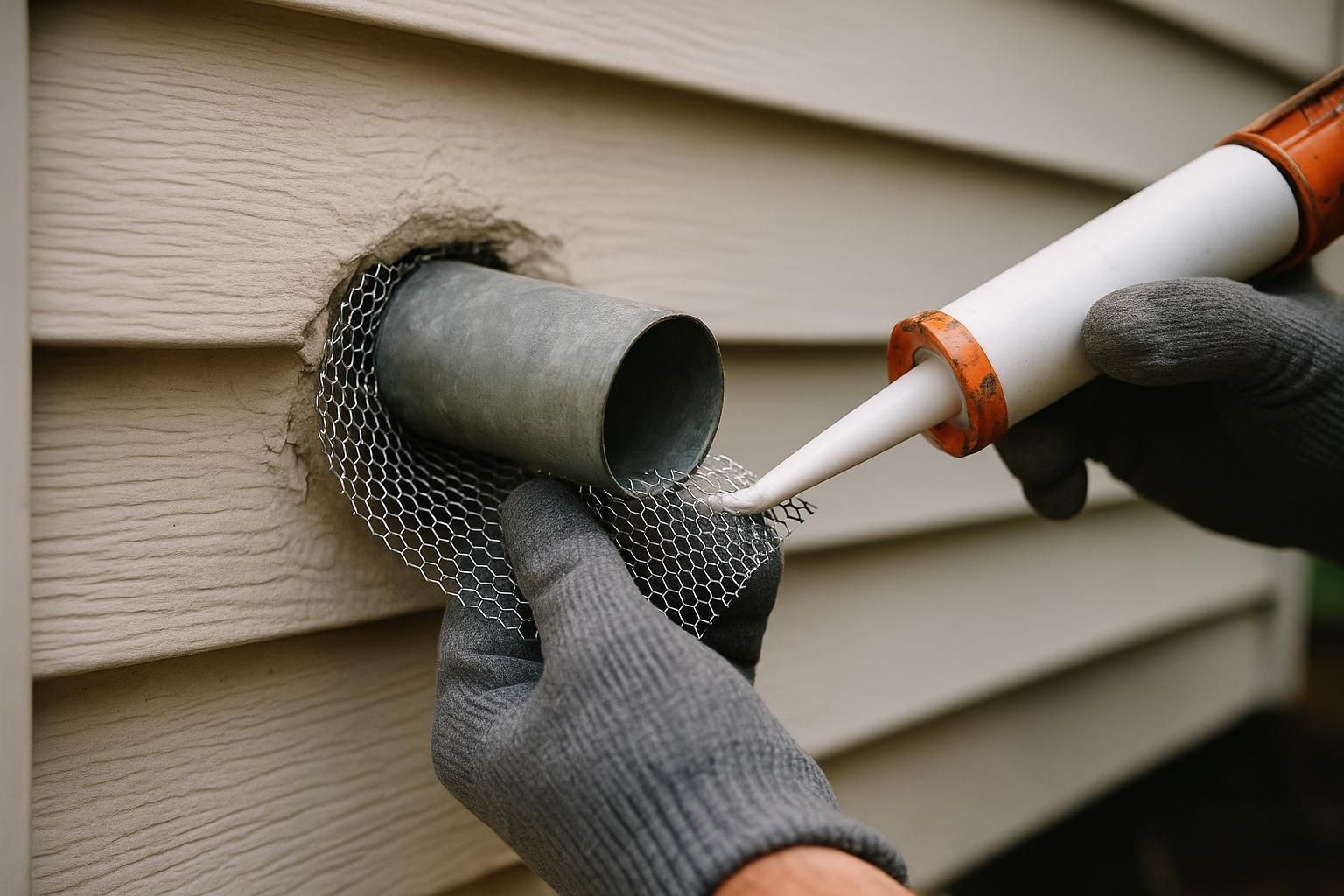
The pros who handle it inspect the home the way a rat would approach it, looking for every gap a quarter could fit through: around pipe and cable penetrations, along the roofline and soffits, at vents, garage doors, and foundation cracks. They seal those openings with durable, rodent-resistant materials, then advise on the yard and habits that keep pressure low, from trimming branches that overhang the roof to securing trash and pet food.
Closing gaps at pipes, vents, soffits, and the foundation with durable materials.
Securing the routes roof rats use to reach attics and upper floors.
Advice on trimming, storage, and sanitation that reduces what attracts rats.
Anyone can trap a few rats. Keeping them gone is the hard part, and it comes down to sealing the home properly. Rats are persistent about finding openings, and they can chew a small gap into a large one, so exclusion uses materials they cannot gnaw through and covers the openings homeowners usually miss. Done well, it is the single most valuable step in long-term rat control.
Prevention pairs naturally with removal and treatment. If you have active rats now, start with rat removal or infestation treatment, then add exclusion so the cleared home stays clear. If you have not had rats yet but want to stay ahead of it, a preventive seal-up is a smart, low-cost insurance policy. For a complete home seal, see rat proofing for homes.
It is worth it, especially in older or wooded Dallas neighborhoods. Sealing entry points now is cheaper than treating an infestation later.
They overlap. Prevention includes exclusion plus habitat advice; rat proofing is the full structural seal-up.
Quality exclusion lasts for years. Occasional checks catch any new wear or damage before it becomes a way in.
Yes, and that is the ideal sequence: remove the active rats, then seal so they cannot return.