A complete structural seal-up that closes every way rats get in. Long-lasting rat proofing from experienced Dallas pros.

Rat proofing is the most thorough form of prevention: a methodical, whole-home seal-up that closes every gap a rat could use, with materials they cannot chew through. It is the step that turns a one-time rat removal into a permanent solution, and it is just as valuable for homeowners who have never had rats but want to keep it that way. A rat can fit through an opening the size of a quarter and squeeze through gaps you would never think twice about, so proofing is about finding and closing all of them.
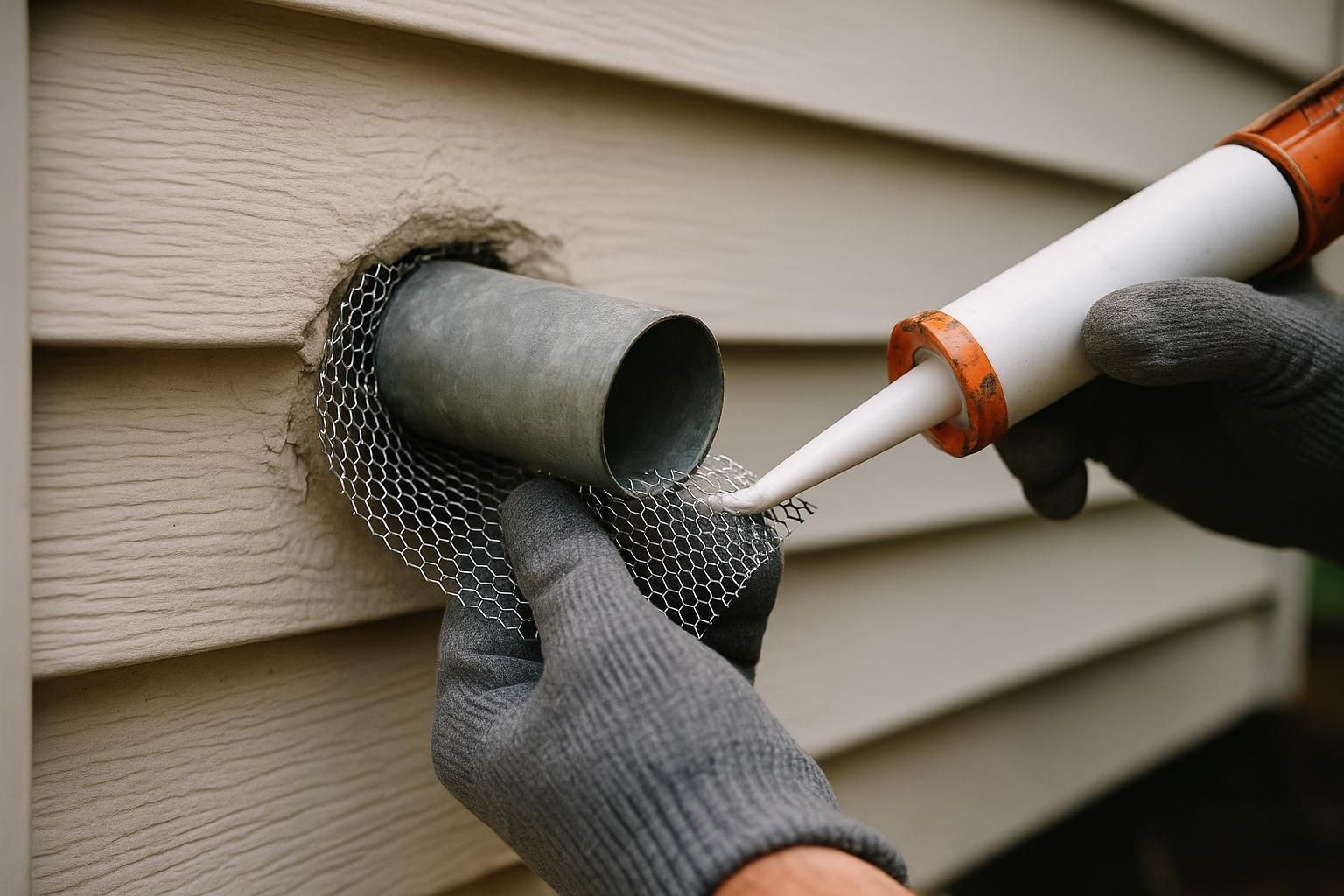
The pros who handle it inspect the entire envelope of the home, the roofline, soffits, fascia, vents, chimney, weep holes, garage, foundation, and every spot where a pipe or wire passes through a wall. Each opening is sealed with rodent-resistant materials such as metal flashing, hardware cloth, and specialized sealants rather than the foam or steel wool that rats defeat in a season. The result is a home that simply does not give rats a way in.
The reason DIY sealing fails is usually the material. Expanding foam and steel wool feel solid but rats chew straight through them, and a gap that is patched poorly is as good as open. Professional rat proofing uses metal flashing, galvanized hardware cloth, and rodent-grade sealants at the points that matter, so the seal holds for years rather than weeks. The work is also done to look clean, so your home stays sealed without looking patched up.
Proofing is the natural finish to any removal or treatment. If you have active rats, clear them first with removal or infestation treatment, then proof the home so they cannot return. If your main concern is the attic, pair proofing with attic rat control. For ongoing peace of mind, proofing also overlaps with prevention and exclusion.
Most homes are proofed in a day or two depending on size and the number of entry points found during inspection.
Yes. Preventive proofing is far cheaper than dealing with an infestation, and Dallas's climate and neighborhoods keep rat pressure high year round.
Rodent-resistant materials like metal flashing and hardware cloth, not foam or steel wool, which rats chew through.
Attic access points are a core focus, since roof rats target the roofline. Cleanup of an already-infested attic is handled separately.